Sports · Top Story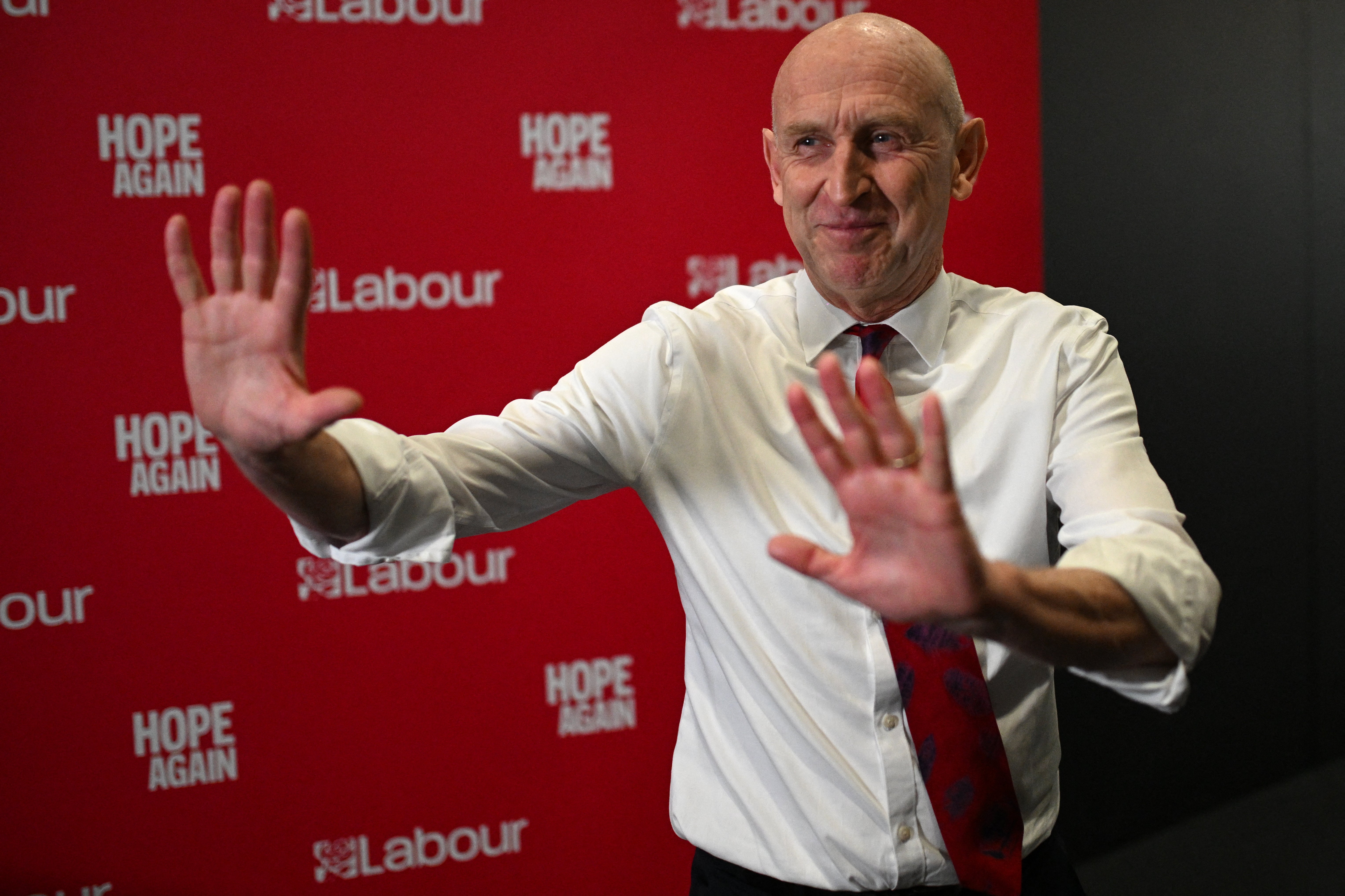
H ooray! Britain’s economic motor is still running – just about. According to the Office for National Statistics (ONS), the UK economy expanded by 0.1 per cent in August – defying forecasts of a 0.1 per cent dip.
The number is piddling, but it’s banished any talk of recession – even though this is skin of the teeth stuff. Economic disaster was seemingly seen off only by the computer programming sector, which grew for the sixth month running. Ready player one!
The result for the three months to the end of August – which gives a longer view of things – looks even sunnier, showing growth of 0.7 per cent. Consulting firm Capital Economics responded by gushing about the “remarkable resilience of the economy to higher energy prices and borrowing cost” – after it had predicted a 0.2 per cent fall. “Resilience” is a word that’s been heard a lot in discussions about what’s going on with the British economy.
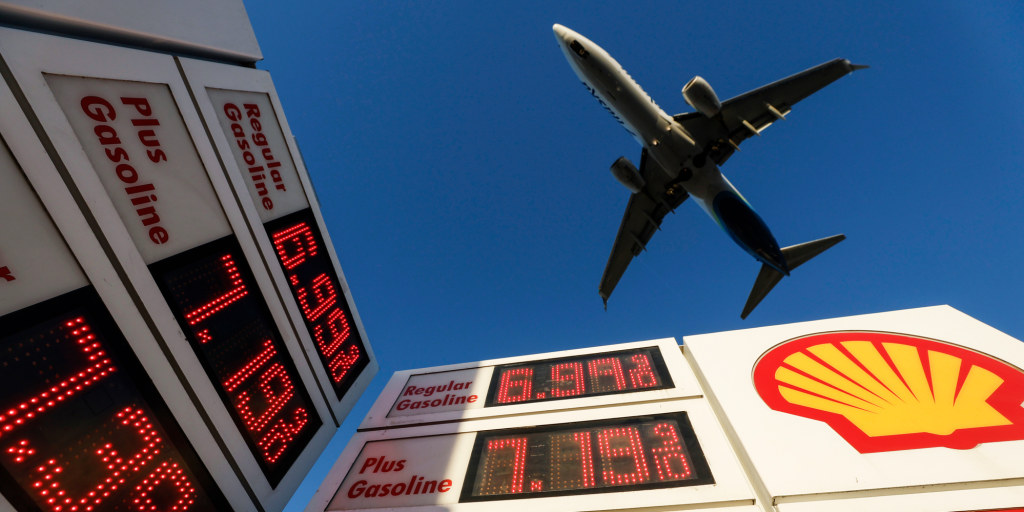
It has prompted a good deal of head-scratching, because sky-high energy prices, borrowing costs spiking to a near 30-year high amid fears of a brutal series of interest rate rises, plus speculation about what chancellor John Healey might do in the Budget ought to have us falling down a dark well. I have a theory here, and it’s not one I much like, as a committed Remainer who would vote to rejoin the EU in a heartbeat, But the reason for the British economy’s inexplicable resilience could be Brexit. The “sunlit uplands” rapidly disappeared into the mist almost as soon as the referendum voting slips were tidied away.
The estimated losses from Brexit are simply mind blowing. UK plc went from having free and unfettered access to the biggest free trade area in the world. Then, after Trump’s re-election saw the return of tariffs, the prospect of the much-vaunted comprehensive Free Trade Agreement (FTA) with the United States vanished, becoming a sector-specific economic agreement.
But what leaving the EU did was instill a heavy dose of resilience into the economy. Chancellor John Healey, left, will deliver his first Budget on October 28 (Reuters) Supply chains were disrupted. Customs checks made that even worse.
Red tape strangled exporters. New and unexpected problems cropped up everywhere you cared to look. There were queues.
And queues. And more queues. Businesses thus had to get inventive.
They worked through it all because they had no choice. Some innovative solutions emerged from the smarter ones. Remember Tesco’s trains to import European produce?
With temperature-controlled freight wagons bringing tomatoes, peppers and citrus fruits in from Spain, so as to avoid them spoiling as they sat in lorries queuing in Kent, and easing the pressure of the truck driver shortages that bedevilled the economy at the time? There was also Covid to deal with. And now there’s an energy crisis as a result of one of America’s most disastrous bouts of adventurism in the Middle East.
Well, if an economy can cope with Brexit, a global pandemic, then Donald Trump, it can cope with almost anything. Britain’s businesses have been bloodied – but they now also battle-tested. They are used to this much tougher climate than others in the G7.
That’s not to say everything’s peachy with UK plc and it couldn’t all go wrong very quickly. Ahead of his first Budget in a fortnight’s time, chancellor John Healy has been greeted warmly by the IMF, which has been busily ticking the rest of the world off for thumbing its nose at soaring levels of debt. For all the talk of Burnham’s government being keen to take Britain back to the 1970s, the chancellor has made it clear that he intends to “stay the course” when it comes to borrowing and fiscal rules.
Any giveaways in the Budget will, we are told, be paid for by tax rises and spending cuts. However “resilient” UK plc is today, and however much living through the Brexit decade has helped with that, the chancellor could still “do a Rachel” and strike a dagger into the heart of British industry if he isn’t careful. For all our sakes, we must hope he doesn’t.
Source: The Independent