Sports · Top Story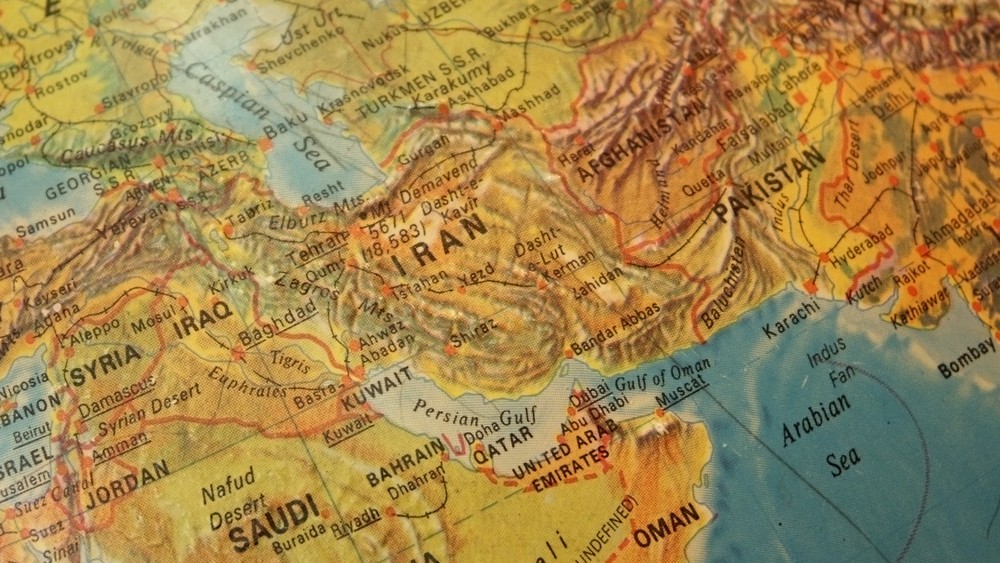
By Editorial Dept - Sep 18, 2026, 7:30 AM CDT Every actor with the power to end this war has instead spent September building permanent infrastructure to live around it. The House voted for a third time Tuesday to curb Trump's war powers, passing the latest resolution 220-204, but there is little confidence it will make it through the Senate, and if it does, Trump would likely veto it. The one Gulf-wide diplomatic track aimed at reopening the strait (the Iran-GCC-Iraq meeting scheduled for September 11 in Oman) was postponed, with no new date set.
And Treasury Secretary Scott Bessent (the point man on economic warfare) told a G20 audience this month that the strait will be "a worthless piece of water" in two years. They aren’t promising an end to the war in two years; just that Hormuz won’t matter. That leaves more questions than answers because there is no way to separate Iran from Hormuz.
It is a geographical fact. “Two years” is a big tell. Bessent made the claim September 1 in a sidebar with Larry Kudlow at the G20 finance ministers' meeting in Asheville, not in any Iran-policy setting.
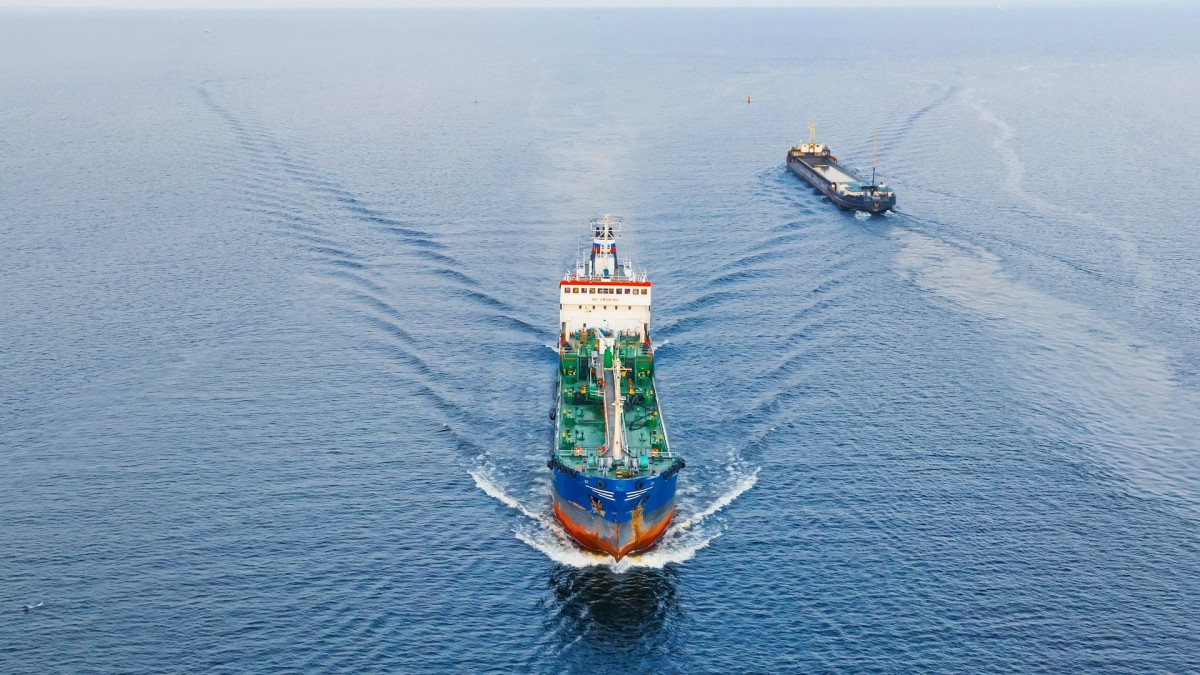
The forecast rests on two facts that predate the war, not on anything Iran does. US crude imports from Persian Gulf countries were already at their lowest level in almost 40 years before February 28 (about half a million barrels a day, 7% of US crude imports, per the EIA) because domestic production and Canadian imports had displaced them years earlier. Bessent's point is that Hormuz stopped being a US chokepoint before...
COMMUNITY MEMBERSHIP (FREE) GLOBAL ENERGY ALERT ( $697 $279 PER YEAR) Breaking energy stories before they hit the mainstream media Top quality analysis from industry veterans Exclusive investment opportunities Digestible data breakdowns Geopolitical insights from our network of over 600 operatives Risk-free 30-day money back guarantee